Nature has endowed mankind with immeasurably tremendous quantum of energy which supports all life on earth and which is sourced from the sun that lies at the heart of our solar system. Solar power can be harnessed in useful form of electrical energy for human benefit and, above all, it is as much a complimentary as a clean source of renewable force that will never be exploited to depletion.
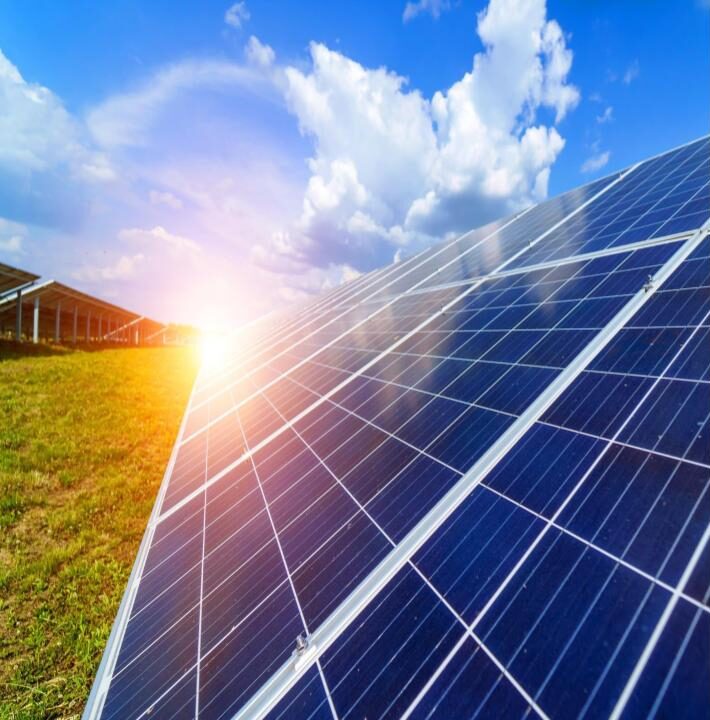
Using photovoltaic (PV) solar panel is one of the most favourable methods of converting solar radiation into electricity. Generating green energy requires unwavering dedication to environmental sustainability and substantial investment that have distinguished Hok Huat Group from the peers as one of the pioneers in installing grid-connected solar PV system at the palm kernel milling factory uniquely owned by Hok Huat Oil Mill Sdn. Bhd. (HHOM) under the umbrella of the Group.
With a diversifying effort to implement carbon-neutralizing project, the solar PV system has been endorsed by Sustainable Energy Development Authority (SEDA) of Malaysia for the award of Net Offset Virtual Aggregation (NOVA) incentive in participating under the Net Energy Metering (NEM) scheme by which the electricity converted from solar energy is principally for own factory consumption with the effect of offsetting against the electrical energy supplied externally by Tenaga Nasional Bhd. (TNB).
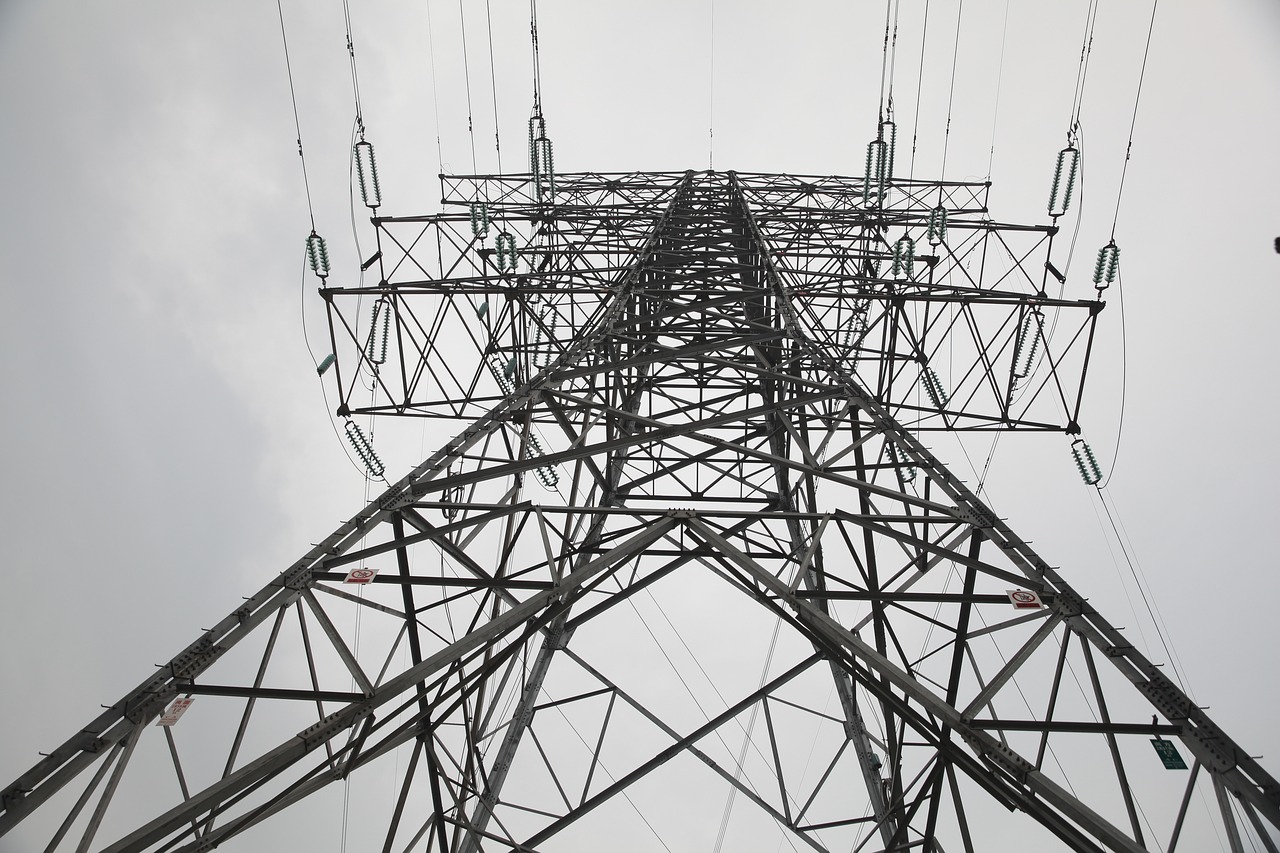
Any excess of solar-converted electricity is then sold off by exporting it to the grid network. In this way, dual advantage is achieved by means of giving credit for saving electricity cost and reducing GHG otherwise emitted through greater reliance on grid-electricity network.
WORKING PRINCIPLE OF SOLAR PHOTOVOLTAIC (PV) SYSTEM
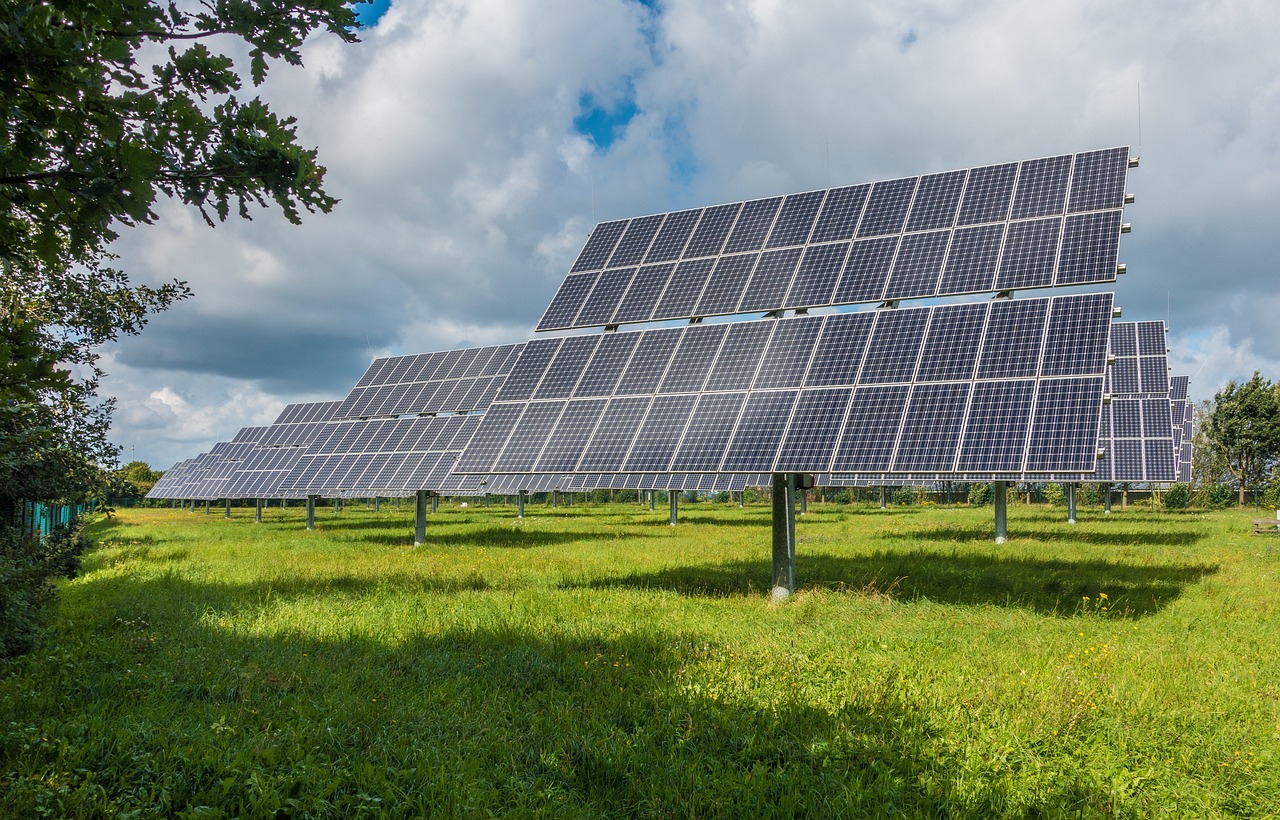
The PV system is configured with more than 1,000 solar panels or modules which are mounted at the rooftop by racking. The racking together with other electrical and mechanical hardware are collectively referred to as the balance of system or BOS which primarily includes 3-phase inverter, wiring, solar combiners, circuit breakers and electric meters.
Sunlight composes of packages of energy called photons. When these photons fall onto solar panels, they activate photovoltaic effect by which electric current is generated. Each solar panel produces relatively small amount of energy, but they are linked together with many other panels to generate higher amount of electrical energy termed as solar array.
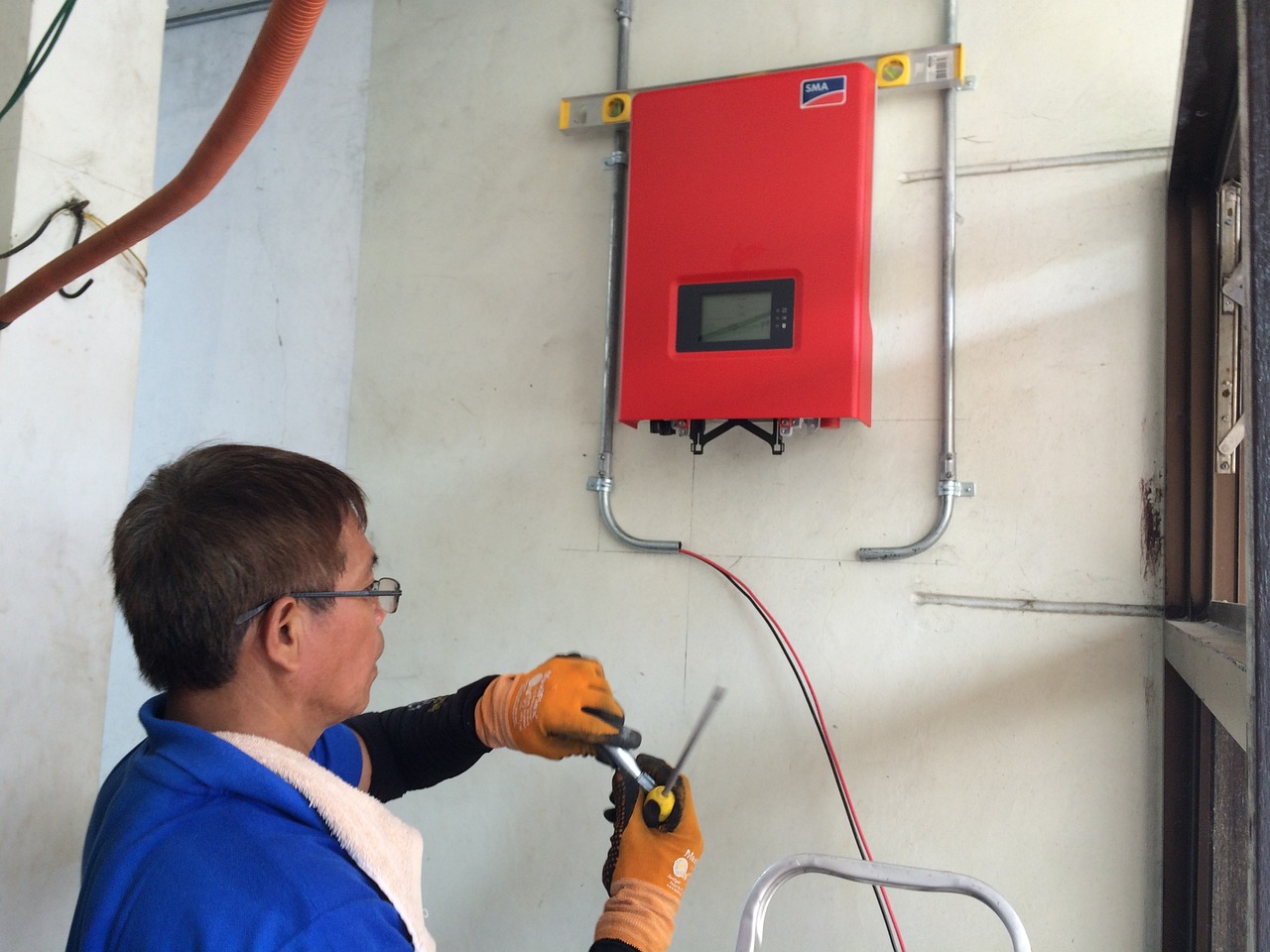
The electricity derived from solar array is in the form of direct current (DC), which must then be changed by the 3-phase inverter into alternating current (AC) before the electricity is suitable for use by the mill and for grid transmission.
Electricity Conversion Capacity of Solar PV System
The installed solar PV Capacity is 540-kilowatt peak (KWp), which means that the PV system has the capacity to generate 540 kilowatts-hour of electricity during peak performance on a very bright sunny afternoon after exposing to sunshine for one hour.
The grid-connected solar PV system can transform solar energy into electrical energy at an overall efficiency or conversion rate of 80%.